
Oral Hygiene – The First Step on the Road to Self-Confidence
Good oral hygiene is a necessary prerequisite for successful orthodontic treatment and a happy smile. It helps you reliably detect and prevent problems such as cavities, tartar, gum disease, and tooth damage. While wearing braces, additional professional check-ups are even more important, as otherwise irreversible damage to the teeth may occur.
As a modern private orthodontic centre, we provide everything you need for a safe and comfortable journey to a beautifully aligned smile—all in one place.
What Causes Tartar Buildup?
If certain areas of the mouth are not cleaned properly, soft dental plaque can form, which gradually calcifies into hard dental plaque, also known as tartar. Tartar can cause gum inflammation, and if left untreated, it may lead to periodontal disease. Surface discolouration of the teeth can be caused by smoking, poor oral hygiene, certain medications and vitamins (like iron), as well as pigmented foods and drinks such as coffee, red wine, and black tea.
Proper and regular oral hygiene, along with routine dental visits, is key to preventing dental disease. Whether you wear braces or not, it is recommended to visit an oral hygienist at least once a year.

Oral Hygiene – Why Is It Important?

Spend Less and Visit the Dentist Less Often
By maintaining good oral health, we prevent chronic diseases and ensure that problems are addressed at an early stage, before they may become more problematic.

A Little Care Now Means a Lot More Comfort Later in Life
Regular oral hygiene significantly increases the chances of healthy teeth and gums and supports overall health and well-being later in life.

Feel More Confident
By promptly removing plaque and stains, your teeth stay healthy and beautiful—a bright smile can boost your self-confidence and help you connect more easily with others.
How Can We Prevent Tartar Formation?
The best prevention is regular oral hygiene, combined with routine visits to the clinic, where your oral health can be checked and tartar removed if necessary. For optimal results, oral hygiene should be performed at least once a year.
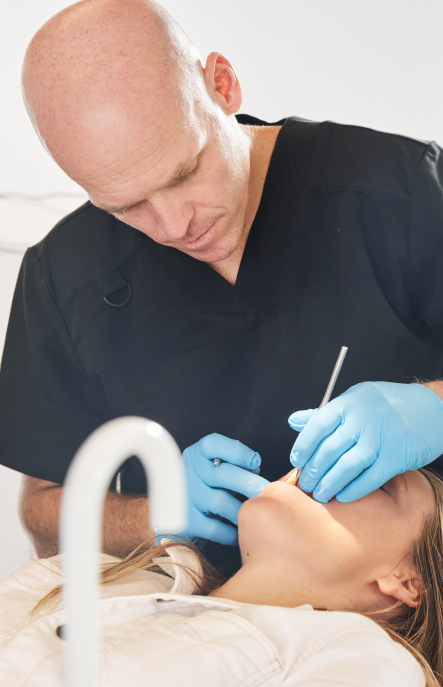
Ultrasonic instruments are used to remove soft and hard plaque (tartar), and the teeth are then polished with a rubber cup or brush and polishing paste. Air polishing with a special powder (calcium carbonate) and pressurised water removes soft dental plaque and surface stains from the teeth.
Which Toothbrush is the Best?
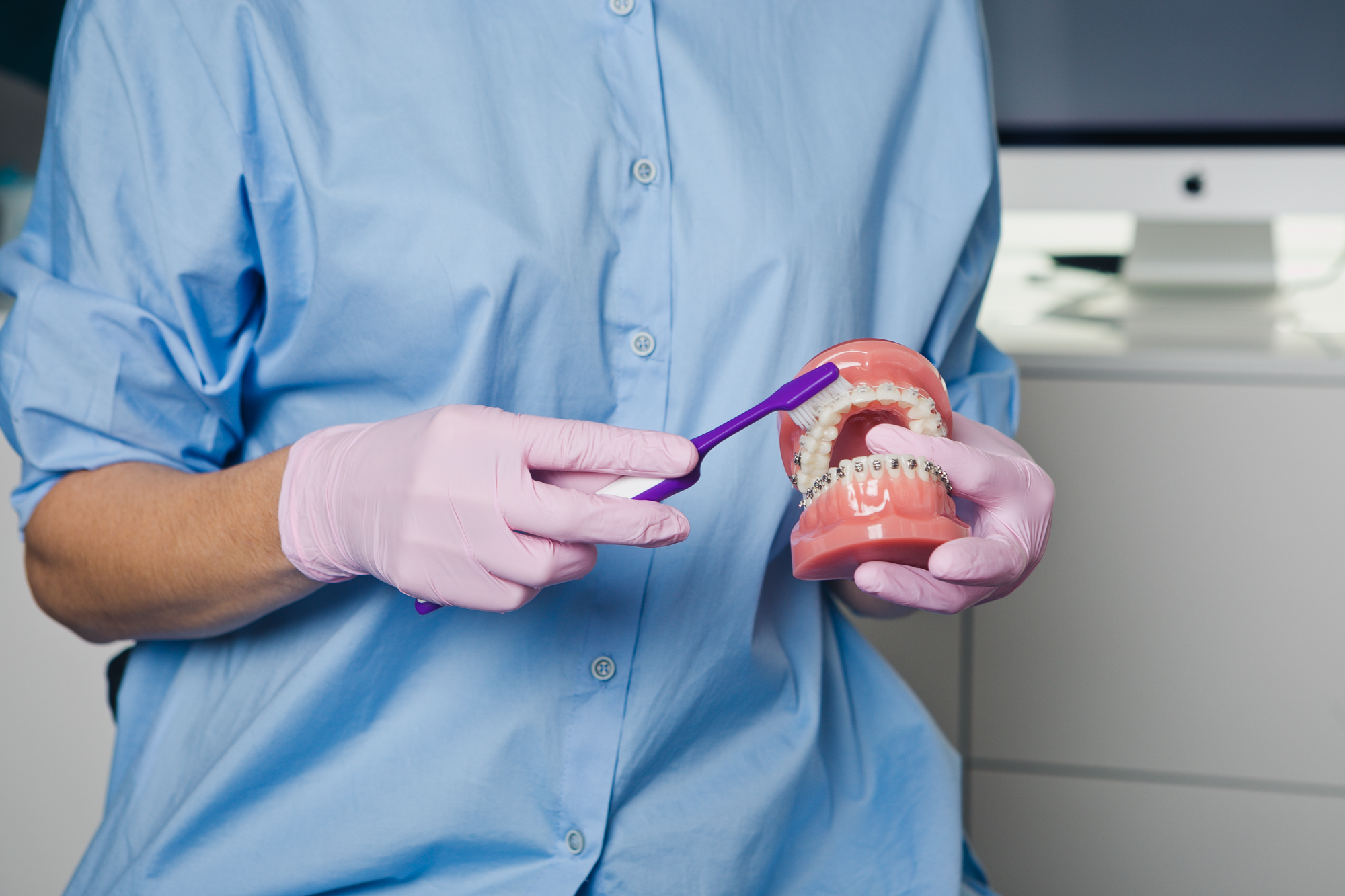
A classic toothbrush is designed to clean the entire surface of the teeth. We recommend using a soft toothbrush, which prevents damage to the gums and makes cleaning the teeth easier. Brush from the gums towards the top of the tooth, holding the brush at a slight angle. It’s important to clean your teeth from all sides.
You can replace a manual toothbrush with an electric one, but it should also have a soft head. It’s best to replace your toothbrush every 3 months, as well as after recovering from an illness.
An end-tuft brush is designed for cleaning hard-to-reach areas, especially along the gumline and around the back teeth. It is also extremely useful for cleaning around dental braces, as it can reach areas that are difficult to access with a regular toothbrush.
An interdental brush is designed to clean the spaces between the teeth that a regular toothbrush cannot reach. These types of brushes come in different sizes – choose a size that fits snugly between your teeth without forcing it, but isn’t so small that it doesn’t clean effectively.

Put your teeth in a good mood - come for your first consultation.
If you want to achieve a more correct alignment of your teeth, in the most comfortable, safe and professional way possible – then you have come to the right place. Contact us and you will learn about the most suitable form of treatment for orthodontic problems.


